“through the tongue” search results (800)

How many kinds of Mexican coffee are Mexican coffee beans suitable for matching beans?
The Mexican coffee is ready. The aromas of chocolate and cinnamon blend together to give off the smell of desert. Tasting such a cup of coffee, you seem to be walking through the gray-green cactus in the Mexican desert. The most famous alcoholic drink in Mexico is tequila (Tequila). When Mexicans drink tequila, they lick a little salt on the tip of their tongue.
2016-07-01 Mexico coffee how much practice coffee beans fit mix beans
Coffee Tasting Terms
Acidity acidity is a typical and anticipated part of coffee cuisine. It is a direct taste under and above your tongue, and its role is different from that of taste to wine. Acidity provides strong, clear and lively sensory properties, without the appearance of acidity, coffee coffee tends to be insipid. Pay attention to this acidity indicator, thousands of
2014-08-05 Coffee knowledge coffee terminology coffee encyclopedia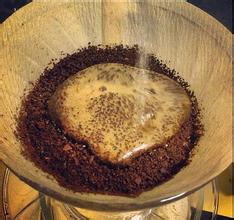
Coffee brewing by hand: analysis and treatment of the "channel effect" of hand-brewed coffee
Previously, we only know that the channel effect often encountered in espresso extraction is that in the process of extraction, the flow caused by the uneven degree of grinding, powder distribution, packing and the outlet of the machine head water distribution network passes through the weakest part of the coffee pressed powder, resulting in uneven espresso extraction, excessive extraction of the part passed by the water flow, insufficient extraction of the rest, and often get a strong cup in the end.
2015-12-17 Coffee brewing way hand brewing channel effect analysis processing before Tao
Coffee knowledge Coffee Cup Review must know six steps
Cup review is the most common way to distinguish between good and bad coffee. Coffee cup evaluation mainly includes six aspects, namely, coffee aroma (Fragrance), aroma (Aroma), taste (Taste), smell (Nose), aftertaste (Aftertaste) and mellow (Body). 1. Fragrance: the first step in cup evaluation is to evaluate the aroma of coffee beans. Grind 8.25 grams of coffee and put it in 3-5 sample cups
2014-09-23 Coffee knowledge coffee cup test coffee encyclopedia
Six steps to evaluate coffee cups
There are six steps in coffee cup evaluation, describing the aroma, aroma, taste, smell, aftertaste and mellowness of coffee.
2014-05-12 Coffee knowledge
There are six steps in coffee cup evaluation.
There are six steps in coffee cup evaluation, describing the aroma, aroma, taste, smell, aftertaste and mellowness of coffee.
2014-06-25 Coffee knowledge coffee tasting coffee cup evaluation
Blue Mountain Coffee: its fragrance is not a disgrace to its origin.
The initial form of coffee, coffee beans. The name Blue Mountain is beautiful, with a melancholy and ethereal meaning. But in fact, it just indicates the origin of the coffee, the blue mountain area of Jamaica. So most coffee names do not have much meaning, they are just a string of beautiful syllables, beating on the tip of the tongue, the tongue around a bend, the end to the starting point to achieve its recitation. Blue Mountain Coffee
2015-06-19 Blue Mountain Coffee its mellow not humiliating birth initial form Coffee beans
Why bake beans? The way of baking beans
The translation preface "Coffee Baker's partner" was published in 2014 by Scott Rao, who owns two coffee roasting companies in the United States. he has been in the coffee industry since 1994 and has written several books on coffee knowledge. Huaxia thinks his Coffee Baking partner is suitable for friends who want to know about baking, that is, beginners. Huaxia is also a
2016-04-28 Why beans way translation preface coffee roaster companion a book published
Blue Mountain Coffee: its fragrance is not a disgrace to its origin.
The initial form of coffee, coffee beans. The name Blue Mountain is beautiful, with a melancholy and ethereal meaning. But in fact, it just indicates the origin of the coffee, the blue mountain area of Jamaica. So most coffee names do not have much meaning, they are just a string of beautiful syllables, beating on the tip of the tongue, the tongue around a bend, the end to the starting point to achieve its recitation. Blue Mountain Coffee
2014-05-28 Coffee culture Blue Mountain Coffee mellow Coffee
Coffee score table introduction of raw bean fractional cup meter
Coffee grading introduction Lao he also revealed the general method of tasting coffee to the reporter of Chongqing Evening News. Lao he also said that these methods are accurate to specific figures, and ordinary coffee lovers only need to be able to roughly judge. 1. 8.25g ground coffee with dry fragrance, put it in 3 to 5 sample cups and smell it carefully. The dry fragrance indicates the freshness of the coffee. 2. Wet incense added 150ml to coffee powder.
2016-10-21 Coffee rating scale raw beans scores cup test introduction coffee grading Lao he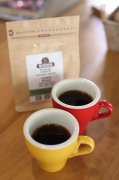
The aroma of coffee coffee beans grinding coffee aroma
From the moment the coffee beans are ground into powder, to the blending of coffee powder and water, then when the extracted coffee is put into a fine coffee cup, and then when it gently touches the tip of your nose and slowly moisturizes your lips, until it completely soaks into your tongue and the whole mouth, into your intestines and stomach for a long time: aroma is the soul of coffee, it runs through the whole life of coffee.
2016-05-31 Coffee aroma coffee beans grinding instant coffee powder and water
Six steps to identify coffee
1. Fragrance: the first step in cup evaluation is to evaluate the aroma of coffee beans. Grind 10 grams of coffee, put it in 3-5 sample cups, and then breathe hard at the gas released by the freshly crushed coffee cells. The characteristics of the aroma indicate the essence of the taste of coffee beans: the sweet smell indicates that its taste is sour; the pungent smell indicates that its taste is irritating. The power of aroma
2014-07-15 Coffee knowledge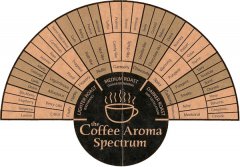
SCAA coffee cup testing process
1. Fragrance: the first step in cup evaluation is to evaluate the aroma of coffee beans. Grind 10 grams of coffee, put it in 3-5 sample cups, and then breathe hard at the gas released by the freshly crushed coffee cells. The characteristics of the aroma indicate the essence of the taste of coffee beans: the sweet smell indicates that its taste is sour; the pungent smell indicates that its taste is irritating. The power of aroma
2014-07-02 Coffee knowledge SCAA coffee cup test coffee encyclopedia
Six steps of coffee cup evaluation
The six steps of coffee cup evaluation describe the aroma, aroma, taste, smell, aftertaste and mellowness of coffee. 1. Fragrance: the first step in cup evaluation is to evaluate the aroma of coffee beans. Grind 8.25 grams of coffee, put it in 3-5 sample cups, and then breathe hard at the gas released by the freshly crushed coffee cells. The characteristics of the aroma indicate the taste of coffee beans.
2014-09-10 Coffee cup review
Six steps to taste coffee
There are six steps in coffee cup evaluation, describing the aroma, aroma, taste, smell, aftertaste and mellowness of coffee. 1. Fragrance: the first step in cup evaluation is to evaluate the aroma of coffee beans. Grind 10 grams of coffee, put it in 3-5 sample cups, and then breathe hard at the gas released by the freshly crushed coffee cells. The characteristics of the aroma indicate the essence of the taste of coffee beans:
2014-08-13 Tasting coffee tasting coffee coffee encyclopedia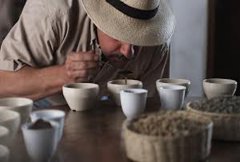
Coffee common sense SCAA coffee cup testing process
1. Fragrance: the first step in cup evaluation is to evaluate the aroma of coffee beans. Grind 10 grams of coffee, put it in 3-5 sample cups, and then breathe hard at the gas released by the freshly crushed coffee cells. The characteristics of the aroma indicate the essence of the taste of coffee beans: the sweet smell indicates that its taste is sour; the pungent smell indicates that its taste is irritating. The power of aroma
2014-09-23 Coffee knowledge SCAA coffee common sense coffee cup test
The six steps of coffee tasting: aroma, aroma, taste, smell, aftertaste and mellowness
Coffee tasting has six steps to describe the aroma, aroma, taste, smell, aftertaste and mellowness of coffee. 1. Fragrance: the first step in tasting is to evaluate the aroma of coffee beans. Grind 8.25 grams of coffee, put it in 3-5 sample cups, and then breathe hard at the gas released by the freshly crushed coffee cells. The characteristics of the aroma indicate the taste of coffee beans.
2015-10-10 Coffee tasting six steps aroma taste smell aftertaste mellowness
Six steps of coffee cup evaluation
There are six steps in coffee cup evaluation, describing the aroma, aroma, taste, smell, aftertaste and mellowness of coffee. 1. Fragrance: the first step in cup evaluation is to evaluate the aroma of coffee beans. Grind 10 grams of coffee, put it in 3-5 sample cups, and then breathe hard at the gas released by the freshly crushed coffee cells. The characteristics of the aroma indicate the essence of the taste of coffee beans:
2015-01-06 Boutique coffee tasting coffee cup step six steps description
Six Steps to Coffee Cup Evaluation
Coffee cup evaluation has six steps, describing coffee aroma, aroma, taste, smell, aftertaste and alcohol. Image: ab3a6c70gw1e5uo4ma2xzj20gj0a9gnf.jpg 1. Fragrance: The first step in cup evaluation is to evaluate the aroma of coffee beans. Grind 10 grams of coffee, place in 3 to 5 sample cups, and sniff vigorously the coffee released by the freshly ground coffee cells
2014-08-30 Tasting coffee cups
Coffee tasting, coffee cup evaluation, six steps
There are six steps in coffee cup evaluation, describing the aroma, aroma, taste, smell, aftertaste and mellowness of coffee. 1. Fragrance: the first step in cup evaluation is to evaluate the aroma of coffee beans. Grind 10 grams of coffee, put it in 3-5 sample cups, and then breathe hard at the gas released by the freshly crushed coffee cells. The characteristics of the aroma indicate the essence of the taste of coffee beans:
2014-09-19 Coffee knowledge coffee tasting coffee cup testing